Study: Mega Millions Bump To $5 Is A Complete Disaster
An academic paper shows that since Mega Millions raised the ticket price from $2, revenue has fallen off a cliff
2 min
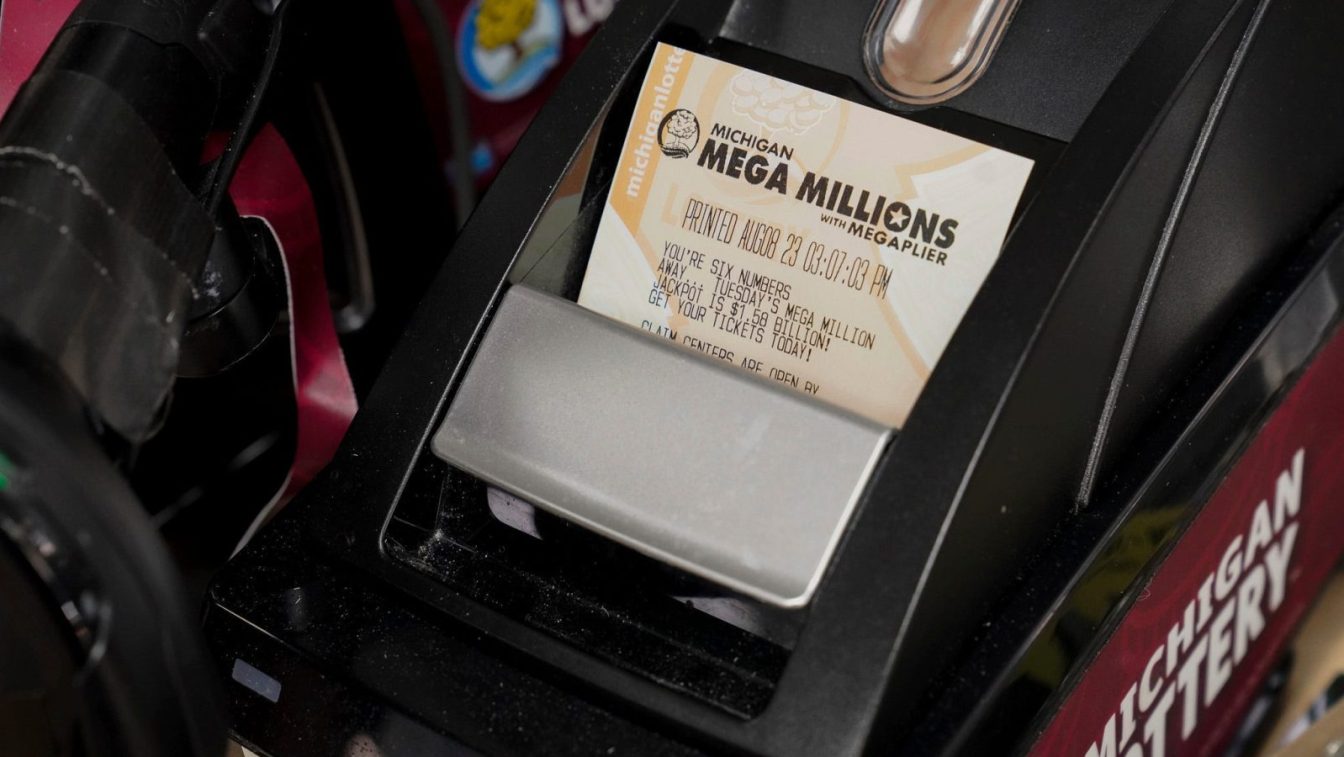
Last April, Mega Millions raised ticket prices from $2 to $5, the second price increase in the game’s history and the first since 2017.
The thinking, presumably, was that players would grumble but pay up, the lottery would haul in more money, and jackpots would explode.
Not so much, as it turns out.
A new working paper, looking at sales data from before and after the price change, found that Mega Millions revenue dropped between 23% and 28%. Ticket counts in New York fell by roughly two-thirds. And the price the operators should have settled on, according to the math, sits somewhere between $3.30 and $3.90, depending on which version of the model you run.
The paper, Pricing a Participation-Dependent Product: Evidence from the Mega Millions Redesign, comes from Karsten Hansen at UC San Diego’s Rady School of Management, Kanishka Misra at Boston College’s Carroll School of Management, and Vishal Singh at NYU’s Stern School of Business. The trio pulled retailer-level data from New York and Texas and a national point-of-sale dataset covering some 13,800 convenience stores.
The numbers are not pretty. In New York, the lottery used to sell about 1.9 million Mega Millions tickets — some $3.8 million worth — per drawing. After the price hike, the ticket sale number dropped to about 560,000, or $2.8 million in sales.
Negative feedback
The real damage, the authors argue, is happening via feedback loop. The average jackpot growth fell from $32 million per drawing before the change to $18.4 million after, because fewer tickets sold means a slower-building pot, which means even fewer buyers showing up the next time around.
The paper puts it this way: “Lower current sales slow jackpot growth, slower jackpot growth depresses future demand.”
Roughly half of the revenue drop traces to this loop, according to the authors, and the other half is the direct response to the higher price and the redesigned prize structure. The redesign also killed off the $1 Megaplier add-on and rolled a built-in multiplier into the base ticket. The authors describe the new product as offering “higher entry cost with no way to deepen engagement at low marginal cost.”
To be fair, the redesign also raised the starting jackpot, slightly improved jackpot odds, and increased non-jackpot payouts. The problem is that none of that was enough to overcome the $5 entry price.
Gambling dollar
Interestingly, the authors further claim the money not spent on Mega Millions tickets ended up staying in the pockets of the public. They didn’t shift their gambling spend elsewhere, or at least not in any measurable way.
The authors checked Powerball, scratch-off tickets, and online gambling spend. Powerball had a giant jackpot run that peaked at $1.78 billion in September 2025, so they controlled for that and still found basically no spillover from Mega Millions. Scratch ticket sales were flat in the weeks around the change in ticket cost, and so was online gambling spend.
As the authors put it, the findings suggest “the redesign reduced Mega Millions spending rather than merely reallocating it within consumers’ broader gambling portfolios.”
That said, the paper is careful to note that some channels, including sports betting and in-person casino play, aren’t covered in their data, so they can’t say with certainty where every displaced dollar went. What they can say is that the obvious places to look came up empty.
The authors ran three different versions of their model, each accounting for the jackpot feedback loop, and every version of the optimum price point landed somewhere south of $5.
“Across all specifications, the implemented $5 price is above the model-implied participation-feedback-adjusted profit optimum,” they wrote.
The model points in one direction. Five bucks is too much. At least for now.