Coding Error Impacted DC Lottery Drawings, Prevented Certain Numbers From Winning
Problems persisted for three weeks, DC Lottery vows to ‘make this right for our players’

1 min
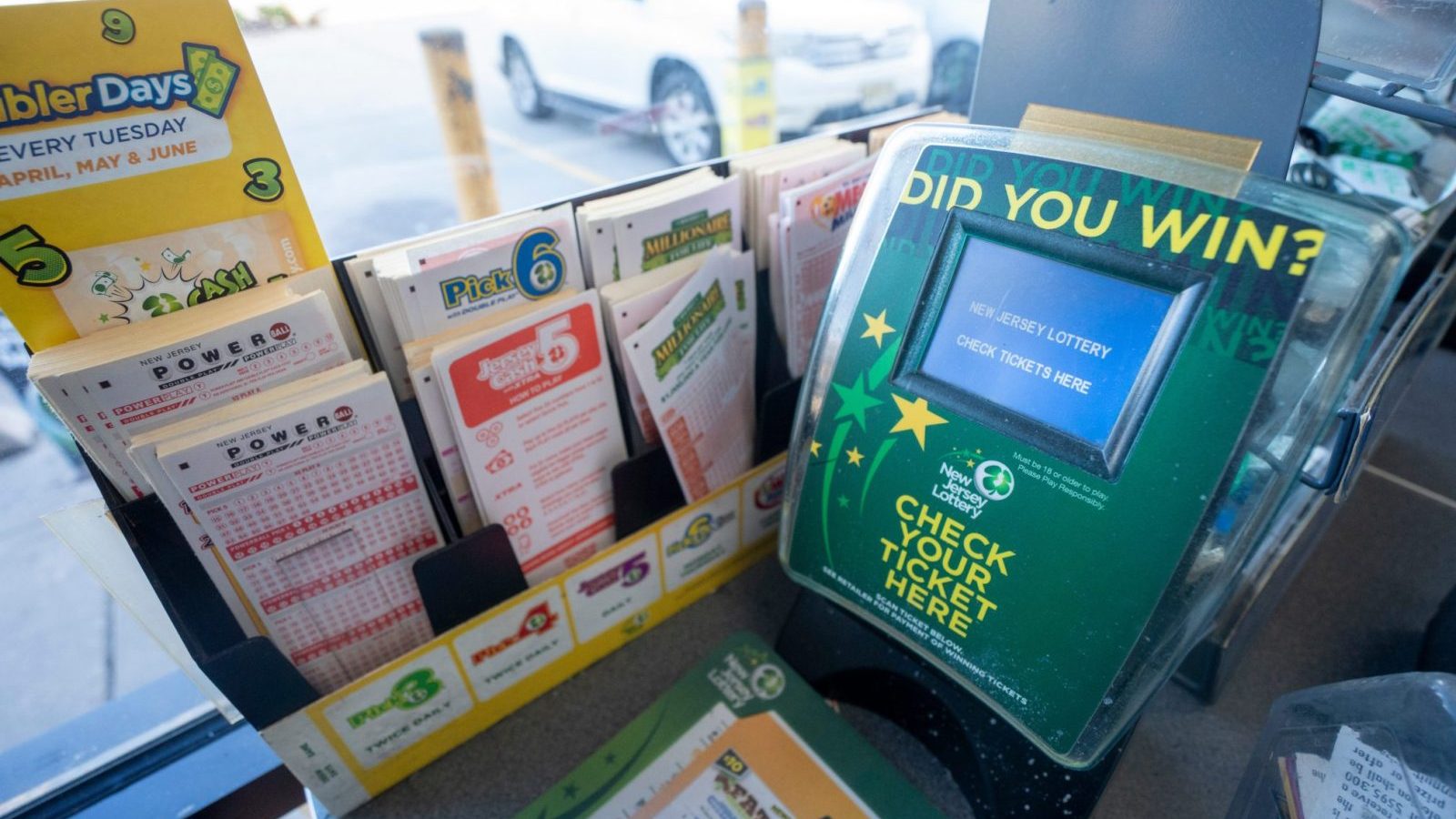
It’s usually a slight exaggeration when someone says of playing the lottery, “You have no chance of winning.” In the case of certain DC Lottery draw games from March 31 through this Tuesday, April 21, however, some tickets did in fact have no chance of winning.
The official lottery operator of Washington, D.C., issued a release Wednesday placing the blame on third-party vendor Smartplay International Inc., reporting that a “configuration issue” caused by Smartplay resulted in problems for those 22 days with the DC 3, DC 4, and DC 5 mid-day and evening drawings.
Due to a coding error, it became impossible for the same digit to come up twice in any draw. So a combination like “1-1-1” or “2-2-9” could not possibly hit.
Instead, across all of those drawings, every winning combo was made up of single numbers that did not repeat, such as “4-2-7-9” in the DC 4 or “6-5-1-3-8” in the DC 5.
Hold on to your tickets …
DC Lottery noted that all draw systems in use had been certified by Gaming Laboratories International, and as soon as the operator became aware that there was a possible problem, it contacted Smartplay and switched to a backup system to conduct that day’s drawings.
“We are confident that we have identified the issue and are reviewing the entire process to prevent it from re-occurring,” DC Lottery wrote in the release. “We deeply regret the error and remain committed to upholding the highest standards of integrity and public trust, and will make this right for our players. Players who purchased tickets for the DC 3, DC 4, or DC 5 mid-day or evening drawings for March 31, 2026-April 21, 2026, should hold on to their tickets and await further information from DC Lottery.”
The glitch was first discovered by players using the message boards of media outlet Lottery Post, and the website contacted the DC Lottery this Tuesday to bring the problem to the operator’s attention.